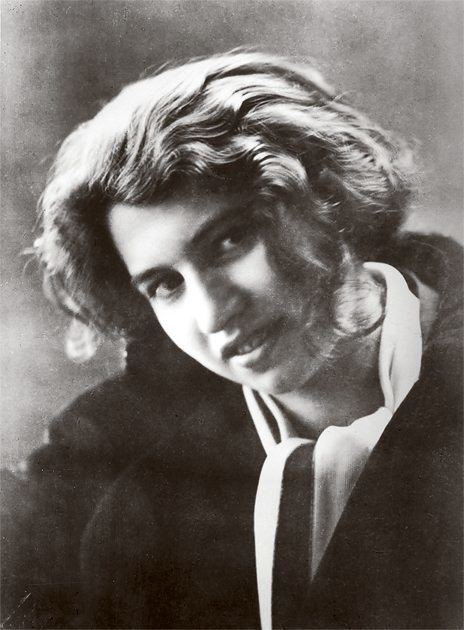
Dora Diamant: Unveiling the Mystery of Kafka's Lost Writings and Her Indelible Legacy
In the annals of literary history, few figures are as enigmatic and pivotal as Dora Diamant. More than just Franz Kafka's final romantic partner and caregiver, Diamant was a woman of fierce independence, radical convictions, and an accidental guardian of some of the 20th century's most treasured, and tragically lost, literary artifacts. Her story intertwines deeply with Kafka's final months, shaping his legacy in profound ways, while her own life unfolded as a testament to resilience amidst immense historical upheaval.
Born Dwojra Fünn on March 4, 1898, into an impoverished Hasidic family in Pabianice, Poland, Diamant’s early life was steeped in religious orthodoxy. Yet, from a young age, she demonstrated a rebellious spirit, rejecting the confines of her upbringing to pursue Zionist ideals and, eventually, a career in Yiddish theatre. This journey led her away from the traditional path, through the vibrant cultural scenes of Eastern Europe, and ultimately to a fateful encounter that would forever link her name with one of literature's titans. Her courage to forge her own path, from a strict Hasidic home to the bohemian world of activism and art, set the stage for her remarkable life and her critical role in Kafka's story.
A Fateful Encounter: Kafka's Final Love and Literary Companion
The summer of 1923 marked a turning point for both Dora Diamant and Franz Kafka. Their paths crossed on July 13 at a Jewish workers' holiday camp near Graal-Müritz on the Baltic Sea, where Diamant, then a cook, met the ailing author. What began as an unexpected encounter quickly blossomed into an intense and profound relationship. Kafka, plagued by laryngeal tuberculosis and weary of his family's interference, found in Dora a rare beacon of domestic stability and genuine affection. He defied his family's wishes, moving to Berlin to live with her, a decision that offered him a fleeting period of peace and companionship during his rapidly deteriorating health.
Diamant's vibrant personality, her commitment to Yiddish culture, and her staunch political beliefs offered Kafka a new perspective on life. She represented a world of activism and direct engagement that was a stark contrast to his own internal struggles and contemplative existence. In their shared apartment, she nursed him, provided companionship, and, crucially, became privy to his private world, including his unpublished writings. This period, though tragically short, was one of immense personal significance for Kafka, offering him a sense of belonging and love he had long yearned for.
The Custodian of Kafka's Legacy: Burning, Safeguarding, and Loss
Dora Diamant's role as Kafka's companion extended far beyond caregiving; she became the involuntary guardian of his literary estate. In his final months, Kafka, with a characteristic ambivalence towards his own work, requested that some of his unpublished writings be burned. Diamant, in an act that has been debated by scholars for decades, honored his wish for a portion of his work, forever altering the landscape of Kafka scholarship. This decision underscores the complex ethical dilemma faced by those closest to artists – balancing personal requests with potential historical significance.
However, she also defied his more general instructions to destroy *all* his unpublished work, safeguarding a significant collection of his papers. Among these were approximately 20 notebooks and numerous letters, which she later claimed documented his Yiddish studies and personal reflections. These texts were not just literary works but deeply personal insights into Kafka's mind, his engagement with Jewish culture, and his daily thoughts. They represented a window into an aspect of Kafka that his more famous, often bleak, narratives only hinted at.
The tragedy deepened in 1933. With the rise of Nazism, Diamant's communist activism and Jewish heritage drew the attention of the Gestapo. Her Berlin apartment was raided, and the precious Kafka manuscripts she had so carefully preserved were seized. This act of state-sponsored plunder left a gaping hole in literary history. Diamant, forced to flee for her life, briefly escaped to the Soviet Union before finding refuge in Britain in 1936. The loss of these papers was not just a personal blow to Diamant but an incalculable loss to the world, erasing unique insights into one of the 20th century's most influential writers.
The Enduring Mystery: What Did the Lost Writings Contain?
The seizure of Kafka's manuscripts by the Gestapo transformed their contents into an enduring literary mystery. For decades, the exact nature of these 20 notebooks and letters remained the subject of intense speculation. Dora Diamant consistently maintained that they contained detailed accounts of Kafka's Yiddish studies, his observations on Jewish culture, and deeply personal reflections. Without independent verification, her claims sparked debate among scholars, some of whom hoped for undiscovered literary masterpieces, while others theorized they might be less polished, more experimental works or diary entries. The absence of these documents left a significant void in understanding the full scope of Kafka's intellectual and emotional landscape.
In the 1980s, a glimmer of hope emerged when some of the lost Kafka papers were partially rediscovered in East German archives. This rediscovery, while significant, did not fully resolve the mystery surrounding Diamant's specific claims, as the bulk of what she described remained missing. The tantalizing possibility remains that these lost writings could have offered unprecedented insights into Kafka's creative process, his philosophical ponderings, or even shed light on the origins of some of his published works. Imagine a collection of Kafka's thoughts on his Jewish identity, unvarnished and direct, or experimental narratives that pushed the boundaries of his known style. The loss is not merely one of paper and ink, but of a deeper, more comprehensive understanding of a literary giant.
For aspiring writers and literary enthusiasts, this episode serves as a powerful reminder of the fragility of artistic legacies and the profound impact of historical events. It underscores the importance of preservation and the ethical responsibilities associated with an artist's personal wishes versus the demands of historical documentation. The lost writings of Kafka, intertwined with Dora Diamant's efforts to both honor and preserve, stand as a testament to what might have been, prompting endless contemplation about the road not taken in literary scholarship.
Dora Diamant's Legacy Beyond Kafka
While forever linked to Franz Kafka, Dora Diamant was a formidable individual whose life story deserves recognition in its own right. After Kafka's death, she did not retreat into obscurity. Instead, she immersed herself in promoting his work among Jewish audiences, recognizing the profound significance of his contributions. Her commitment to art and activism continued unabated. She studied acting at the Düsseldorf Playhouse Academy, performed in agitprop theatre, and remained deeply involved with communist causes in Berlin, a path that ultimately led to the Gestapo's attention and her subsequent flight.
Her life post-Kafka was one of continuous struggle and unwavering commitment to her ideals. After escaping Nazi Germany, she endured wartime internment in Britain as an "enemy alien," a harsh twist of fate for a woman who had fled fascism. Despite these hardships, she raised a daughter and dedicated her later years to Yiddish education and community work in London's East End until her death from tuberculosis in 1952. Beyond Kafka: The Tumultuous Life of Dora Diamant reveals a woman of incredible resilience, whose journey from a Hasidic village to a global stage of activism and artistry is truly inspiring.
Diamant's life offers a compelling narrative of personal conviction, political engagement, and an unyielding spirit. She challenged societal norms, fought for her beliefs, and, despite tremendous personal loss, continued to contribute meaningfully to her community. Her determination to preserve Kafka's writings, even at great personal risk, solidifies her place in literary history. To delve deeper into her profound connection with Kafka, one might explore Dora Diamant: Franz Kafka's Final Love and Literary Guardian, understanding the intimate bond that shaped both their lives.
Conclusion
Dora Diamant remains a figure of immense historical and literary significance. Her unconventional life, marked by a rejection of orthodoxy, a passion for theatre and activism, and an enduring love for Franz Kafka, paints a portrait of a truly extraordinary woman. Her pivotal role as Kafka's final confidante and the custodian of his unpublished writings has indelibly shaped our understanding—and our yearning—for more of his genius. The mystery of the lost manuscripts, seized by the Gestapo and largely unrecovered, continues to haunt literary scholars, representing an incalculable loss to the world's cultural heritage. Yet, Diamant's legacy transcends this loss. She was a woman who lived with fierce purpose, confronting the great challenges of her time with courage and conviction, leaving behind a story as compelling and rich as any literary masterpiece.