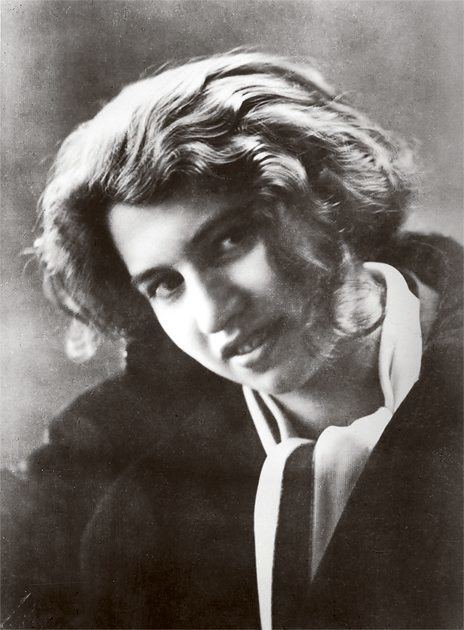
Beyond Kafka: The Tumultuous Life of Dora Diamant
While often remembered through the lens of one of history's most enigmatic literary figures, Franz Kafka, the life of Dora Diamant was a vibrant, tumultuous, and deeply independent saga of its own. Born Dwojra Fünn on March 4, 1898, in the industrial Polish town of Pabianice, Diamant was a woman who consistently defied expectations, navigated profound personal loss, and passionately dedicated herself to art, activism, and cultural preservation. Her journey, spanning from a strict Hasidic upbringing to the bohemian artistic circles of Berlin, through the political turmoil of the Soviet Union, and finally to a new life in wartime London, paints a portrait of incredible resilience and unwavering spirit. This article delves into the lesser-known facets of Dora Diamant's existence, exploring her significant contributions and her enduring legacy.
A Rebellious Spirit Forged in Tradition
Dora Diamant's early years were rooted in a world far removed from the modernist intellectualism she would later embrace. Her family adhered to strict Hasidic Judaism, a devotional path that shaped the communal and domestic life in towns like Pabianice and Będzin, where she spent much of her childhood. Her father, Herschel Dymant, was a devout follower and a small-scale businessman, though the family’s economic standing was often precarious, a common reality for many Jewish families in partitioned Poland. Within this pious yet often constrained environment, young Dwojra was immersed in Yiddish culture, a language and heritage she would champion throughout her life.
However, the rigidity of orthodoxy clashed early with Dora's innate independence. At just 14, around 1912, the profound loss of her mother thrust her into adult responsibilities, caring for her numerous younger siblings—reportedly up to ten. This demanding role undoubtedly hardened her resolve and instilled a fierce sense of duty and self-reliance. It was from this crucible of familial obligation and religious stricture that Diamant’s rebellious spirit emerged. She rejected the path laid out for her, choosing instead to pursue Zionist ideals and a nascent passion for the stage, eventually eloping to join a Yiddish theater troupe. This early defiance was not merely youthful rebellion; it was the first of many bold decisions that would characterize a life lived on her own terms, a testament to her strength of character and intellectual curiosity.
A Love Story Against the Odds: Dora Diamant and Franz Kafka
The summer of 1923 brought Dora Diamant to a Jewish workers' holiday camp near Graal-Müritz on the Baltic Sea, where she worked as a cook. It was here, on July 13, that she met Franz Kafka. Their connection was immediate and intense, blossoming into a deep and transformative relationship that defied societal norms and Kafka's own family's wishes. For the ailing author, suffering from terminal laryngeal tuberculosis, Diamant offered something he had long yearned for: genuine domestic stability and companionship. Kafka, despite his worsening health, made the extraordinary decision to leave Prague and move to Berlin to live with her, finding solace and a semblance of normalcy in her care during his final year.
Diamant became more than a lover; she was his devoted caregiver and, crucially, a literary guardian. During his last months, at Kafka’s request, she reportedly burned some of his unpublished writings, a controversial act that continues to fuel literary debate. Yet, she also safeguarded others, including approximately 20 notebooks and letters that she claimed documented his Yiddish studies and personal reflections. Her proximity to Kafka during this critical period provides invaluable, albeit sometimes contested, insights into his private world. To delve deeper into this pivotal relationship, explore Dora Diamant: Franz Kafka's Final Love and Literary Guardian and understand the complexities surrounding Dora Diamant and the Mystery of Kafka's Lost Writings.
From Theatrical Stages to Political Battlegrounds: Activism and Exile
Following Kafka's death on June 3, 1924, Dora Diamant did not retreat into obscurity. Instead, she channeled her grief and passion into new avenues. She immersed herself in promoting Kafka's work among Jewish audiences, ensuring his voice reached the Yiddish-speaking world she cherished. Her artistic ambitions led her to study acting at the Düsseldorf Playhouse Academy, and she became a performer in agitprop theater, using her talents to further social and political causes. Diamant’s alignment with communist movements in Berlin reflected her deep commitment to social justice, a conviction that had roots in her own experiences with poverty and marginalization.
This political engagement, however, came at a heavy price. As Nazism ascended, her activities drew the unwelcome attention of the Gestapo. In 1933, her Berlin apartment was raided, and Kafka's precious manuscripts, which she had carefully preserved, were tragically seized. This catastrophic loss was followed by a desperate flight from persecution. Diamant fled to the Soviet Union briefly, before making her way to Britain in 1936. Life in exile was fraught with new challenges; during World War II, she endured the indignity of internment as an "enemy alien." Despite these immense hardships, she raised her daughter, Franziska, and continued to dedicate her later years to Yiddish education and community work in London's vibrant East End, a beacon of cultural preservation amidst adversity.
A Legacy Reclaimed: Championing Yiddish Culture and the Lost Kafka Papers
Even after her death from tuberculosis on August 15, 1952, Dora Diamant's story remained intertwined with the mystery of Kafka's lost papers. For decades, the whereabouts of these crucial writings were unknown, their contents subject to scholarly speculation based primarily on Diamant's own testimony. While some scholars questioned the precise details of her accounts due to the absence of independent verification, her steadfast claim that the papers documented Kafka's Yiddish studies offered tantalizing clues. It wasn't until the 1980s that a part of these lost papers was rediscovered in East German archives, validating portions of her story and reigniting interest in her role as Kafka's unique witness and literary guardian. This rediscovery underscored not only the historical significance of the documents but also Diamant's own determination to preserve Kafka's memory and connection to Jewish culture.
Beyond the Kafka narrative, Dora Diamant carved out a remarkable legacy as a tenacious advocate for Yiddish culture and a tireless communist activist. Her life epitomizes the struggles and triumphs of Jewish women in the 20th century, grappling with tradition, modernity, and the seismic political shifts of her era. She was a woman of fierce intellect, unwavering loyalty, and remarkable resilience, who left an indelible mark on everyone she encountered and on the cultural fabric of the communities she served.
Dora Diamant's journey was far from simple; it was a testament to a spirit that refused to be confined by circumstance or convention. From her humble beginnings in a Hasidic household to her pivotal role in Kafka's final year and her subsequent life of activism and exile, she remained a figure of compelling integrity and profound human interest. Her story is a powerful reminder that history's most fascinating lives are often found at the intersection of personal conviction and global upheaval, leaving behind legacies that continue to inspire and provoke thought.